
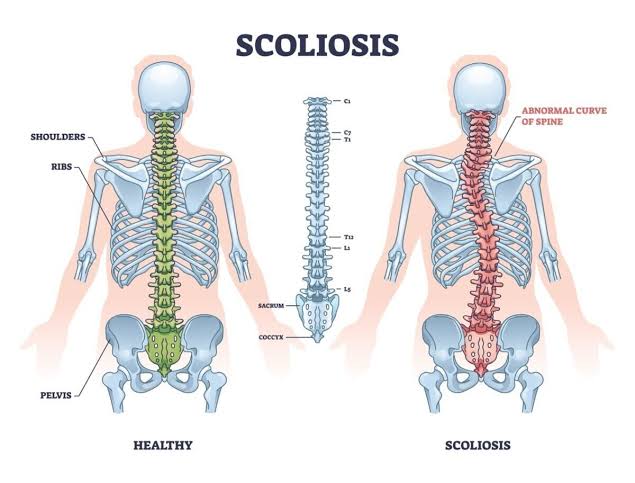
Scoliosis is a spinal condition in which the spine curves sideways instead of maintaining its natural alignment. It can develop during childhood, adolescence, or adulthood, and its severity varies from person to person. While some individuals experience only mild curvature, others may face back pain, uneven shoulders, posture changes, or difficulties with everyday activities. Understanding the condition and exploring suitable treatment options can help patients maintain mobility, comfort, and long-term spinal health.
Finding the Best scoliosis doctor Abu Dhabi patients can consult is an important step toward receiving an accurate diagnosis and a personalised treatment plan. The right specialist can assess the degree of spinal curvature, identify potential complications, and recommend appropriate management based on age, symptoms, and overall health. Early evaluation is particularly valuable for children and adolescents, as their spines are still developing and some curves may progress during periods of rapid growth.
What Causes Scoliosis?
Scoliosis can develop for several reasons, although its exact cause is not always known. The condition is generally classified into different types depending on its origin.
Idiopathic scoliosis: This is the most common type, particularly among adolescents. It develops without an identifiable cause and may run in families.
Congenital scoliosis: This form occurs when the spine develops abnormally before birth. The curvature may become noticeable during childhood as the child grows.
Neuromuscular scoliosis: Conditions that affect the muscles or nervous system, such as cerebral palsy or muscular dystrophy, can contribute to abnormal spinal curvature.
Degenerative scoliosis: In adults, age-related changes in the spinal discs and joints may lead to curvature. This type can occur alongside stiffness, back pain, and reduced mobility.
Identifying the type of scoliosis helps specialists determine which treatment options may be appropriate and whether ongoing monitoring is necessary.
What Are the Common Signs and Symptoms of Scoliosis?
Scoliosis does not always cause noticeable discomfort, especially during its early stages. However, certain physical changes may indicate the need for a professional assessment.
Common signs include:
- One shoulder appearing higher than the other.
- Uneven waistlines or hips.
- A shoulder blade that protrudes more prominently.
- The body leaning slightly to one side.
- Uneven appearance of the ribs when bending forward.
- Persistent back discomfort, particularly in adults with degenerative changes.
In more severe cases, significant spinal curvature may affect physical function and, occasionally, breathing. Not every patient develops these complications, and the symptoms depend on the location and severity of the curve.
Parents who notice changes in their child's posture should consider arranging a medical assessment rather than assuming the differences are temporary. Adults experiencing persistent back pain or progressive changes in posture should also seek professional advice.
How Is Scoliosis Diagnosed?
A proper diagnosis involves reviewing the patient's medical history, evaluating posture, and examining the spine. A specialist may ask when the symptoms began, whether the curvature has changed over time, and whether there is a family history of scoliosis.
During a physical examination, the clinician may assess shoulder height, hip alignment, spinal flexibility, and overall balance. An examination such as the Adam's forward bend test can help identify signs of spinal asymmetry.
Imaging studies may be recommended to confirm the diagnosis and measure the degree of curvature. Standing spinal X-rays are commonly used to determine the Cobb angle, which helps quantify the curve. Depending on the patient's symptoms and examination findings, additional investigations, such as MRI, may be considered.
The results help determine whether the patient needs observation, physiotherapy, bracing, or a surgical consultation. Regular follow-up may also be recommended to monitor changes in spinal alignment.
What Treatment Options Are Available for Scoliosis?
Treatment depends on several factors, including the patient's age, the severity and location of the curve, the likelihood of progression, and the presence of pain or other symptoms. There is no single treatment that is suitable for everyone.
1. Observation and Regular Monitoring
Mild scoliosis may not require immediate treatment. Instead, the specialist may recommend periodic examinations and imaging when clinically appropriate. Monitoring is especially important for growing children and adolescents because spinal curvature can change during growth.
2. Physiotherapy and Targeted Exercises
Physiotherapy can help improve flexibility, muscular strength, posture, and functional movement. Specific scoliosis-focused exercises may support spinal control and help patients manage discomfort. However, exercises should be selected according to the patient's condition and should not be considered a guaranteed way to correct every spinal curve.
3. Bracing
For selected children and adolescents who are still growing, a spinal brace may help reduce the risk of curve progression. Its effectiveness depends on factors such as the curve's characteristics, the patient's growth stage, and how consistently the brace is worn according to medical advice.
Bracing is generally intended to control progression rather than permanently straighten the spine.
4. Surgical Treatment
Surgery may be considered for severe, progressive curves or when scoliosis causes significant functional problems. The decision requires a detailed evaluation of the potential benefits, risks, and available alternatives.
Depending on the patient's circumstances, surgical options may include spinal fusion or other specialised techniques. The appropriate procedure depends on the curve pattern, skeletal maturity, underlying cause, and overall health. A qualified spine specialist can explain the expected outcomes and recovery requirements before any decision is made.
Why Is Individualised Scoliosis Care Important?
Scoliosis affects every patient differently. A treatment plan that works well for one individual may not be appropriate for another. For this reason, personalised care should consider the patient's daily activities, physical goals, age, symptoms, and long-term spinal health.
Bone Care One Day Surgery Center provides a setting where patients can seek orthopaedic evaluation and guidance regarding their musculoskeletal concerns. Individuals experiencing spinal curvature or persistent back discomfort can discuss their symptoms with an appropriate specialist and understand which diagnostic assessments or treatment pathways may be suitable.
Patients should feel comfortable asking questions about the progression of their condition, the expected benefits of treatment, possible complications, and the time needed to return to normal activities. Clear communication helps individuals make informed decisions about their care.
How Can You Support Spinal Health in Everyday Life?
Although everyday habits cannot prevent every form of scoliosis, healthy routines can support general musculoskeletal health and improve physical function.
Consider the following practices:
- Stay physically active through activities suited to your abilities.
- Follow a prescribed exercise or physiotherapy programme consistently.
- Maintain a comfortable posture during prolonged sitting and screen use.
- Avoid ignoring persistent back pain or noticeable changes in spinal alignment.
- Attend recommended follow-up appointments.
- Seek professional advice before starting exercises intended to correct spinal curvature.
Good spinal health is supported by consistent care, appropriate movement, and timely medical assessment rather than relying on posture products or unverified corrective methods.
When Should You Consult a Scoliosis Specialist?
Medical evaluation is advisable when you notice progressive spinal curvature, uneven shoulders or hips, persistent back pain, or changes in your ability to move comfortably. Children and teenagers with suspected scoliosis should be assessed promptly, particularly during periods of rapid growth.
Adults should seek urgent medical attention if back symptoms occur alongside new leg weakness, significant numbness, or loss of bladder or bowel control.
Choosing the Best scoliosis doctor Abu Dhabi patients can access involves considering clinical experience, diagnostic capabilities, communication, and the availability of appropriate treatment options. A thorough assessment helps establish realistic expectations and supports a treatment strategy tailored to individual needs.
Conclusion
Scoliosis does not affect everyone in the same way, and its management depends on the severity of the curve, the patient's age, and the risk of progression. From observation and physiotherapy to bracing and surgery, several approaches may help patients manage the condition and maintain their quality of life.
Early assessment, regular monitoring, and personalised medical guidance are essential for making informed decisions about spinal health. By consulting an appropriate specialist and exploring suitable options at facilities such as Bone Care One Day Surgery Center, patients can take practical steps toward better spinal function, improved mobility, and long-term well-being.