
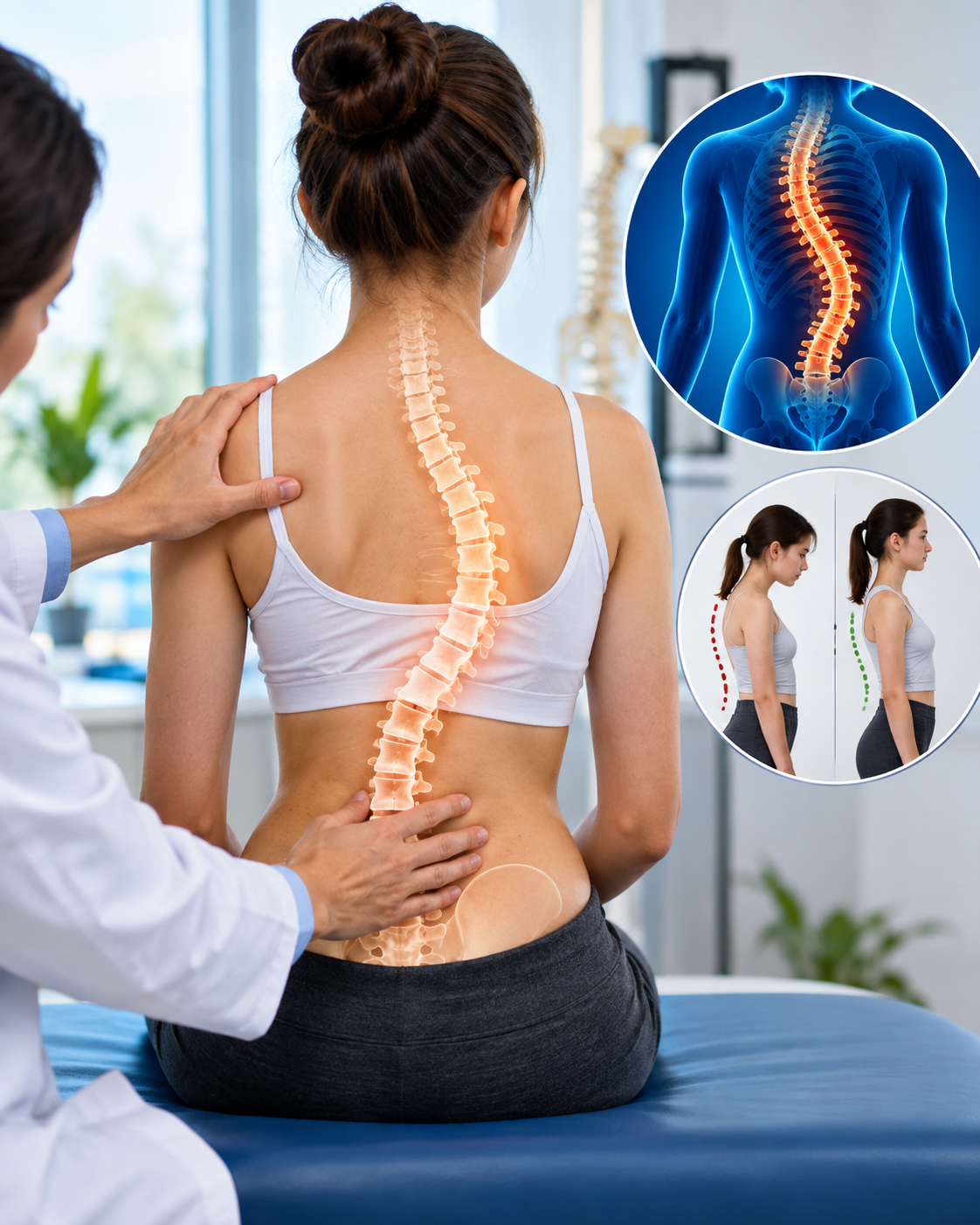
Spinal health plays an important role in maintaining mobility, posture, balance, and overall quality of life. One condition that can affect these aspects is scoliosis, a spinal deformity characterized by an abnormal sideways curvature of the spine. While mild cases may require observation and regular monitoring, more noticeable or progressive curves can need professional assessment and treatment. Understanding the condition early can help patients and families make informed decisions about appropriate care.
When searching for Scoliosis treatment in Abu Dhabi ( علاج الجنف في أبوظبي ), patients should first understand that treatment is not the same for everyone. The recommended approach depends on factors such as the patient's age, the location and degree of the spinal curve, symptoms, physical development, and whether the curvature is progressing. A specialist can assess these factors and develop a treatment plan suited to the individual's condition.
What Is Scoliosis?
Scoliosis is a condition in which the spine develops an abnormal curvature, often accompanied by some rotation of the vertebrae. Instead of appearing relatively straight when viewed from behind, the spine may curve to one side, sometimes creating an S-shaped or C-shaped appearance.
Scoliosis can develop during childhood or adolescence, but it may also occur in adults. In some cases, the exact cause is unknown. Other forms may be associated with congenital spinal abnormalities, neuromuscular conditions, or age-related changes in the spine.
Common signs may include uneven shoulders, an asymmetrical waistline, one hip appearing higher than the other, or a visible spinal curve. Some individuals may also experience back discomfort, muscle fatigue, or reduced flexibility.
Why Is Early Assessment Important?
Early assessment can be particularly important for children and teenagers because the spine may continue developing as they grow. A curve that changes over time may require closer monitoring to determine whether intervention is necessary.
For adults, assessment can help identify whether spinal curvature is associated with degenerative changes, previous spinal conditions, or other underlying factors. Persistent pain, changes in posture, weakness, numbness, or difficulty with movement should be evaluated by a qualified medical professional.
A clinical examination may be followed by imaging studies, such as X-rays, to understand the shape and severity of the curvature. In selected cases, additional imaging may be recommended to obtain more information about the spine and surrounding structures.
How Is Scoliosis Evaluated?
A specialist generally begins with a medical history and physical examination. The assessment may include checking posture, shoulder and hip alignment, spinal movement, muscle strength, and neurological function.
Imaging is often important for measuring the spinal curve and monitoring changes over time. The Cobb angle is commonly used to quantify the degree of spinal curvature on an X-ray. This measurement can help specialists determine the severity of scoliosis and track progression.
The patient's age, skeletal maturity, symptoms, and functional limitations are also considered. Rather than relying on the curve measurement alone, specialists look at the complete clinical picture before recommending a treatment approach.
What Non-Surgical Options May Be Considered?
Not every person with scoliosis requires surgery. For individuals with mild or stable curves, observation may be recommended. This can involve periodic clinical assessments and imaging when appropriate.
Physical therapy and targeted exercises may also form part of conservative care. Depending on the patient's needs, therapy may focus on posture, flexibility, core strength, muscle balance, and functional movement.
For growing children and adolescents with certain types of progressive scoliosis, bracing may sometimes be recommended. The purpose of a brace is generally to help control curve progression while the child continues to grow. Its suitability depends on several clinical factors and should be determined by a specialist.
Pain management may also be considered for adults experiencing discomfort associated with spinal conditions. Treatment may include activity modification, physical therapy, or other approaches based on the underlying cause and individual symptoms.
When Might Surgery Be Considered?
Surgery may be considered when scoliosis is severe, continues to progress, causes significant symptoms, or has a substantial impact on function and quality of life. The decision is highly individualized and requires a detailed assessment by a spine specialist.
One commonly used surgical approach is spinal fusion, in which selected vertebrae are stabilized to prevent further progression of the curvature. Depending on the patient's age, spinal anatomy, curve pattern, and other factors, different surgical techniques may be considered.
For younger patients, specialists may also evaluate growth-preserving approaches when appropriate. These techniques are designed for selected cases and require careful patient selection.
Patients should discuss the potential benefits, risks, recovery expectations, and alternatives with their treating specialist before making a decision.
How Can Patients Support Spine Health?
Following a personalized treatment plan is an important part of managing scoliosis. Patients may benefit from maintaining an appropriate level of physical activity, following prescribed exercises, attending scheduled follow-ups, and maintaining healthy lifestyle habits.
Parents should also pay attention to changes in posture or body symmetry in growing children. If one shoulder or hip appears higher than the other, or if the child develops persistent back discomfort, professional evaluation may be appropriate.
Adults should avoid ignoring persistent or worsening symptoms. Early assessment can help determine whether discomfort is related to scoliosis or another spinal condition requiring attention.
Why Choose Specialized Spine Care?
Scoliosis can vary significantly from one person to another. Specialized spine care allows treatment decisions to be based on the individual's spinal structure, symptoms, age, activity level, and long-term needs.
At Bone Care One Day Surgery Center, patients can seek professional evaluation and guidance for a range of orthopedic and spine-related concerns. A personalized assessment can help determine whether observation, conservative management, or further intervention may be appropriate.
Ultimately, the goal of scoliosis care is not simply to address the spinal curve but to support mobility, comfort, function, and long-term spinal health. If you or a family member notices signs of spinal curvature or experiences persistent symptoms, consulting a qualified spine specialist can be an important step toward understanding the condition and exploring suitable treatment options.