
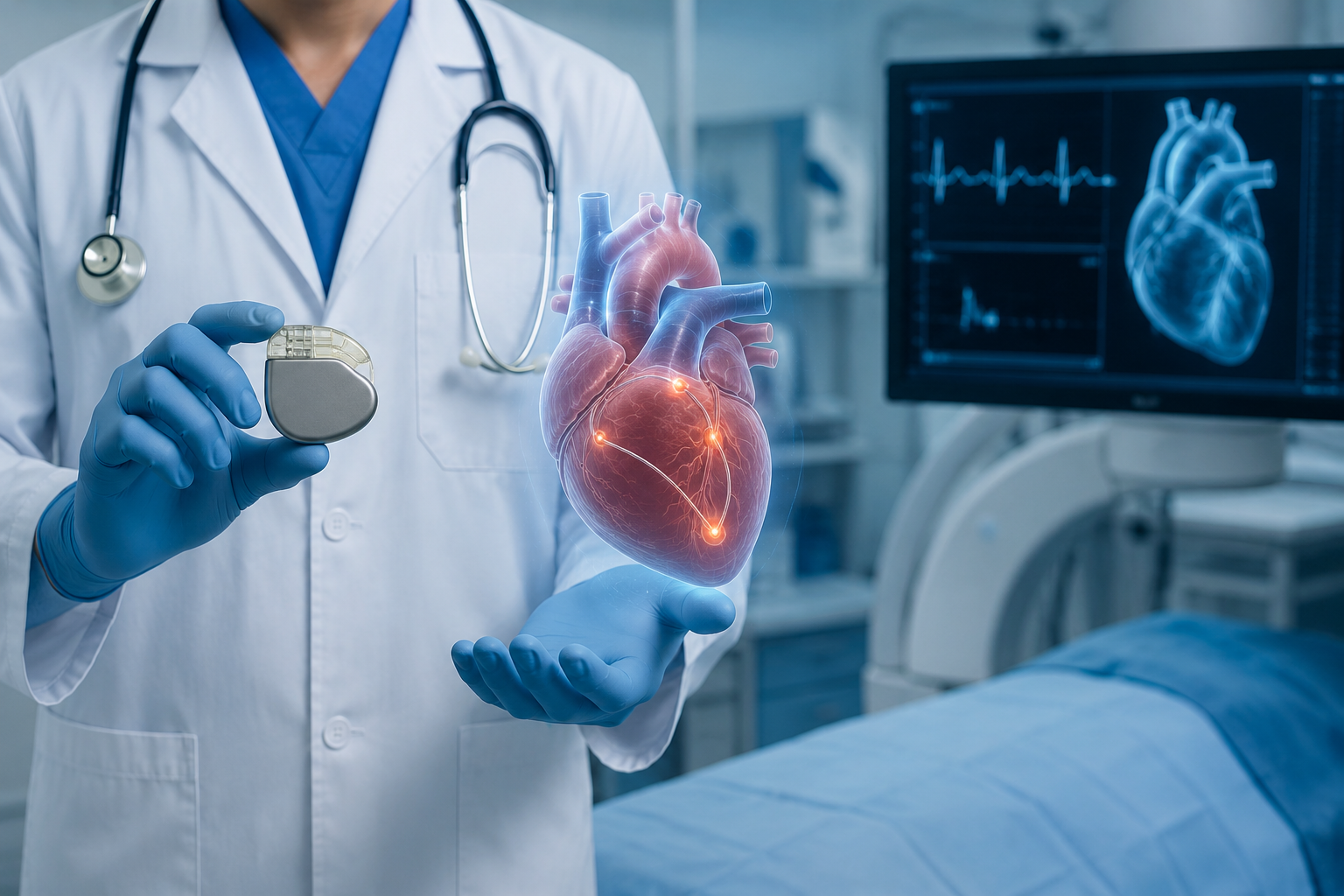
Heart rhythm disorders can affect people of all ages and may significantly influence daily life if left untreated. Conditions such as slow heart rhythms, heart block, heart failure, and certain arrhythmias often require more than medication alone. In many cases, implantable cardiac devices play a vital role in restoring normal heart function and reducing the risk of serious complications. Choosing the right specialist is therefore an essential step toward receiving safe, effective, and personalized care.
Consulting an experienced Cardiac device specialist Abu Dhabi ensures that patients receive a comprehensive evaluation before any device is recommended. Every individual has unique medical needs, and selecting the appropriate pacemaker, implantable cardioverter-defibrillator (ICD), or cardiac resynchronization therapy (CRT) device depends on careful assessment, advanced diagnostics, and long-term treatment planning. Expert guidance helps patients understand their condition and make informed decisions about their heart health.
What Is a Cardiac Device Specialist?
A cardiac device specialist is a physician with expertise in diagnosing heart rhythm disorders and managing implantable cardiac devices. These specialists evaluate patients who experience abnormal heart rhythms, heart failure, or conduction disorders that may require device therapy.
Their responsibilities include:
- Assessing heart rhythm abnormalities
- Recommending the most suitable cardiac device
- Performing device implantation or coordinating treatment
- Programming and optimizing implanted devices
- Monitoring long-term device performance
- Managing follow-up care and periodic device checks
This specialized approach helps ensure that patients receive treatment tailored to their specific condition.
Common Cardiac Devices Used Today
Modern cardiac care offers several implantable devices designed to treat different heart conditions.
Pacemakers
Pacemakers help regulate slow heart rhythms by sending small electrical impulses that maintain an appropriate heart rate. They are commonly recommended for patients with symptomatic bradycardia or heart block.
Implantable Cardioverter-Defibrillators (ICDs)
ICDs continuously monitor heart rhythm and deliver life-saving therapy when dangerous ventricular arrhythmias occur. They help reduce the risk of sudden cardiac death in appropriately selected patients.
Cardiac Resynchronization Therapy (CRT)
CRT devices improve the coordination between the heart's ventricles in selected patients with heart failure. Better synchronization can improve heart function, reduce symptoms, and enhance quality of life.
Conditions That May Require Device Therapy
Implantable cardiac devices are recommended only after a detailed medical evaluation.
Some conditions that may benefit include:
- Symptomatic bradycardia
- Complete heart block
- Certain inherited rhythm disorders
- Ventricular tachycardia
- Ventricular fibrillation
- Advanced heart failure
- Reduced heart pumping function in selected patients
Early diagnosis allows physicians to recommend timely treatment before complications develop.
The Importance of Advanced Diagnostic Evaluation
Before recommending device implantation, specialists perform comprehensive testing to determine the exact nature of the heart problem.
Common diagnostic investigations include:
- Electrocardiogram (ECG)
- Holter monitoring
- Event monitoring
- Echocardiography
- Exercise stress testing
- Cardiac MRI in selected cases
- Electrophysiology studies when appropriate
These investigations provide valuable information that helps physicians choose the most effective treatment strategy.
Life After Cardiac Device Implantation
Many patients worry that receiving a cardiac device will limit their daily activities. In reality, modern devices are designed to support an active and fulfilling lifestyle.
Following implantation, patients are encouraged to:
- Attend regular follow-up appointments
- Take medications as prescribed
- Maintain a heart-healthy diet
- Exercise according to medical advice
- Monitor symptoms and report concerns promptly
- Carry device identification information when traveling
Routine device checks help ensure that the implanted system continues to function properly for many years.
Why Experience Matters
Cardiac device implantation requires technical precision and careful long-term management. Experienced specialists understand not only the implantation procedure but also device programming, troubleshooting, and follow-up optimization.
Choosing a qualified specialist reduces the likelihood of complications and ensures that patients receive ongoing support throughout the lifespan of their device.
Comprehensive Care Beyond the Procedure
Successful treatment extends beyond implantation. Patients often benefit from coordinated care involving cardiologists, electrophysiologists, rehabilitation specialists, nurses, and other healthcare professionals.
Education about medications, activity levels, lifestyle modifications, and follow-up care empowers patients to manage their condition with confidence while improving long-term outcomes.
Patient-Centered Care at Bone Care One Day Surgery Center
Although widely recognized for its multidisciplinary surgical services, Bone Care One Day Surgery Center believes in a patient-centered approach that emphasizes timely diagnosis, specialist referrals, coordinated care, and individualized treatment planning across multiple medical specialties. By supporting comprehensive healthcare and collaboration among experienced medical professionals, the center helps patients access the right expertise for their specific health needs while ensuring continuity of care and a positive treatment experience.
Conclusion
Implantable cardiac devices have transformed the management of many heart rhythm disorders, allowing patients to live safer and more active lives. However, successful outcomes depend on selecting the right specialist, receiving an accurate diagnosis, and following a personalized treatment plan. Consulting an experienced Cardiac device specialist Abu Dhabi ensures that patients receive expert guidance, appropriate device selection, and long-term follow-up tailored to their condition. With timely intervention and coordinated medical care, individuals can effectively manage heart rhythm disorders and enjoy a better quality of life.